
As we age, our needs and priorities change, especially when it comes to safety. Seniors face unique risks at home, where seemingly harmless features can turn into hazards. Falls, slips, and difficulties with mobility are common concerns. Therefore, home safety is a critical issue that needs to be addressed proactively. Modifying the home with senior-specific safety measures can prevent accidents and provide a more comfortable living environment.
For caregivers and family members, creating a safer home can be a valuable way to enhance quality of life while preserving independence. However, hiring professionals for extensive modifications can be costly. Fortunately, many of the necessary adjustments can be achieved with a DIY (do-it-yourself) approach. These solutions are affordable, effective, and customizable. This guide will walk you through practical steps to improve home safety for seniors using easy-to-implement DIY strategies. It covers key areas of concern, such as preventing falls, improving lighting, and creating a safe living environment.

Step 1: Assess Home Safety Risks
The first and most important step in DIY home safety for seniors is conducting a thorough risk assessment. Each home is different, and it’s essential to identify specific areas that could pose hazards. Start by walking through the house and observing potential risks. Look out for obstacles like loose rugs, cluttered walkways, or furniture that may obstruct movement. Pay special attention to high-traffic areas such as hallways, entryways, and the stairs.
Focus on rooms where seniors spend the most time, particularly the kitchen, bathroom, and bedroom. Ask questions like: Is the bathroom equipped with non-slip surfaces? Are kitchen cabinets within easy reach? Is the bedroom accessible without needing to navigate stairs or sharp corners? Write down any areas of concern to ensure they are addressed. A comprehensive risk assessment will provide a roadmap for what changes are necessary.
Another critical part of the risk assessment is reviewing mobility needs. If the senior in question uses a walker, cane, or wheelchair, the layout of the home may need to be adjusted to accommodate these aids. For example, wider doorways or open floor plans can make a home easier to navigate. Clear pathways and ample space to turn corners will help reduce the risk of accidents. Additionally, be mindful of visual or hearing impairments, which may require modifications such as improved lighting or amplified doorbells.
Step 2: Install Grab Bars and Handrails
Falls are one of the leading causes of injury among seniors, particularly in slippery or unstable areas like bathrooms and stairways. Installing grab bars and handrails is a straightforward DIY project that can dramatically reduce the risk of falls. In the bathroom, install grab bars near the toilet, inside the shower, and around the bathtub. These bars provide much-needed support, especially when moving from a seated to standing position or navigating wet surfaces.
Grab bars come in various sizes, finishes, and materials, so you can choose options that match your home’s aesthetic while still providing functionality. Make sure to anchor the bars into wall studs for maximum stability, using a stud finder to locate them before drilling. For added safety, consider using textured or slip-resistant grab bars that offer extra grip even when wet.
Handrails are equally important, especially on staircases or steps. Install handrails on both sides of any stairs, ensuring they run the full length of the staircase. For outdoor steps, consider using weather-resistant materials like aluminum or treated wood. Handrails provide essential support for seniors who may have difficulty balancing, helping them navigate stairs safely.
Step 3: Improve Lighting and Visibility
Good lighting is critical for reducing accidents and enhancing visibility, especially for seniors with impaired vision. Start by assessing whether the current lighting in your home is adequate. Dark hallways, dimly lit stairs, and shadowy corners are all potential hazards. Improve general lighting by installing brighter, energy-efficient bulbs. LED bulbs are an excellent choice since they are long-lasting, provide bright illumination, and consume less electricity.
Motion-sensor lighting is a smart DIY solution for areas that are frequently used, such as hallways, entryways, and bathrooms. These lights automatically turn on when movement is detected, eliminating the need to search for switches in the dark. This is especially helpful for seniors who may wake up at night and need to navigate through the home safely.
Task lighting is also important in areas like the kitchen and bathroom. Install under-cabinet lighting in the kitchen to improve visibility while cooking or preparing meals. In the bathroom, ensure that mirrors and sinks are well-lit to prevent accidents during daily routines. Also, consider installing night lights along pathways and in bedrooms to provide constant illumination after dark. Improved lighting helps seniors move more confidently throughout the home, reducing the likelihood of falls or other accidents.
Step 4: Secure Rugs, Carpets, and Flooring
One of the simplest and most effective DIY home safety projects is securing rugs and carpets. Loose or uneven rugs can easily shift underfoot, creating tripping hazards. Start by removing any unnecessary rugs, especially in high-traffic areas. For rugs that you want to keep, use non-slip rug pads or adhesive strips to keep them securely in place. Non-slip pads are particularly effective under area rugs and doormats.
Another key aspect of home safety is the condition of flooring. Inspect the home for uneven flooring surfaces, frayed carpet edges, or tiles that may have shifted out of place. Repair any damaged flooring to create a smooth surface. In areas like the kitchen and bathroom, where spills are common, consider installing non-slip mats. These mats add extra traction and help prevent falls, particularly on wet surfaces.
For rooms with hardwood or tile flooring, you might consider adding non-slip coatings or applying anti-slip treatments. These coatings provide a textured surface that reduces slipperiness. For seniors who use mobility aids, ensure that all flooring surfaces are compatible with walkers or wheelchairs, avoiding any materials that could cause friction or impede movement.
Step 5: Modify the Kitchen and Bathroom
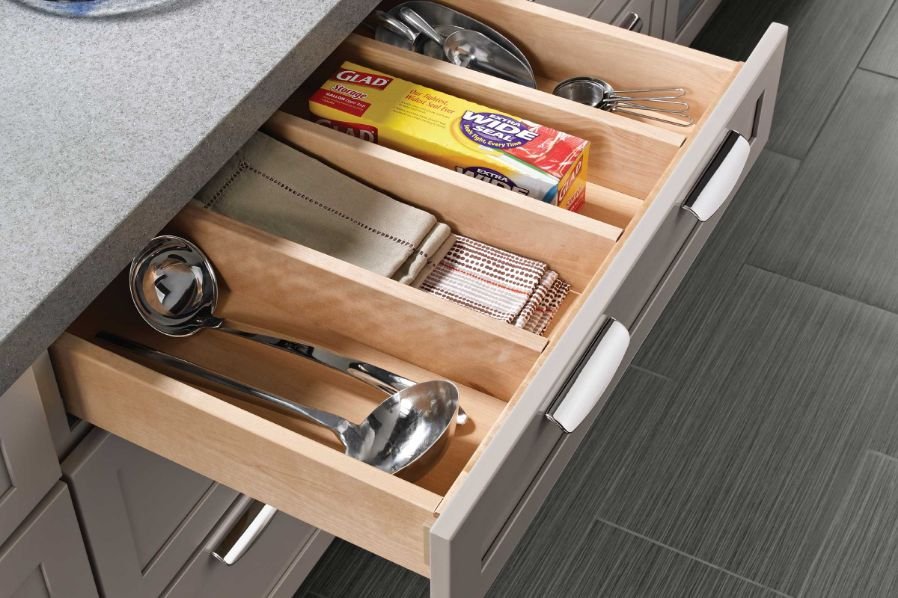
The kitchen and bathroom are two of the most hazardous areas for seniors, so it’s essential to focus on modifications in these spaces. In the kitchen, safety can be improved by organizing cabinets and drawers in a way that makes frequently used items easily accessible. Install pull-out shelves or lazy Susans to make retrieving items easier and safer, reducing the need to reach or bend down.
Another important modification for the kitchen is the installation of anti-scald devices on faucets and appliances like the stove. These devices prevent water or cooking surfaces from reaching dangerous temperatures, reducing the risk of burns. Additionally, place non-slip mats in front of the sink and stove to prevent falls caused by water or grease spills.
In the bathroom, use slip-resistant mats both inside and outside of the shower or bathtub. Installing a shower seat can make bathing safer and more comfortable for seniors with limited mobility. Handheld showerheads are also a great addition, allowing for easier and safer bathing without the need to stand for long periods. Consider installing temperature-regulating devices on the water heater to avoid accidental burns from hot water.
Step 6: Implement Emergency Preparedness Measures
In addition to physical modifications, preparing for emergencies is a vital part of home safety. Install smoke detectors and carbon monoxide detectors on every floor of the house, and test them regularly to ensure they are working properly. For seniors who may have difficulty hearing alarms, consider using visual or vibrating alert systems that can signal an emergency.
Another useful DIY safety measure is creating an emergency contact station. Designate a visible and accessible area, such as the kitchen or near the phone, where essential contact numbers are listed. Include numbers for local emergency services, family members, and healthcare providers. You can also create a medical information sheet with important details such as allergies, medications, and health conditions in case emergency personnel need it.
For seniors who live alone or have limited mobility, wearable emergency alert systems are an excellent option. These devices allow seniors to call for help with the press of a button in case of a fall or other emergency. Integrating these systems into the home helps provide an additional layer of safety.
Conclusion
Ensuring the safety of seniors at home is not just a matter of convenienceit’s a crucial step toward preserving independence and preventing accidents. By taking a DIY approach to home safety, you can make effective and affordable modifications that significantly enhance the well-being of senior residents. From assessing risks and installing grab bars to improving lighting and preparing for emergencies, each step outlined in this guide provides practical solutions that are easy to implement.
Investing time in these DIY safety projects will create a safer, more accessible environment that promotes peace of mind for both seniors and their caregivers. A proactive approach to home safety not only reduces the risk of injury but also allows seniors to maintain their independence and continue living in the comfort of their own homes. With thoughtful planning and a few well-placed modifications, you can ensure that home is a place of security, comfort, and ease for seniors in your life.