
The best beginner drones make flying feel easy from the first lift. I’ve tested enough of them to know when a controller feels smooth in your hands and when the props whine like an angry bee.
You want one touch takeoff, altitude hold, optical flow, and headless mode. Those features keep things steady and cut the learning curve.
For video, pick a 1080P, 2K, or 4K camera that gives you crisp footage in bright daylight. I also look for GPS Return to Home, prop guards, and low battery alerts. Those extras save you stress and help you fly with confidence. Think of them as your safety net.
A foldable drone slips into a bag with ease. A lightweight frame feels less clunky in the air.
I also love two battery bundles because one battery always flies by in a blink. A few standout picks below show which features matter most.
2K HD Camera Drone for Beginners
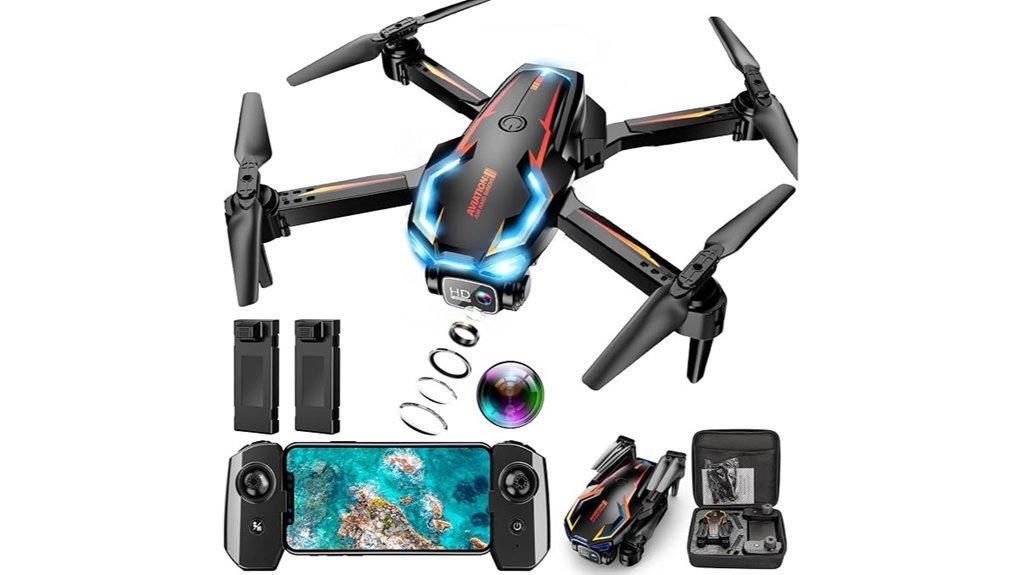
If you want an easy beginner drone with camera, this one hits the sweet spot. I’ve flown it in open parks and on quick trips. It feels light in your hand and the folded body slips into a bag like a glove.
The 2K HD camera gives you clear video for casual flying. You can tilt it up to 90°. You also get real time FPV on your phone, which makes framing shots fast and fun. The live feed feels smooth for this class.
In the air, it stays steady. Optical flow positioning and altitude hold help keep shots clean. One touch takeoff makes launch easy. Headless mode helps if you’re still learning the ropes. Gravity sensing adds a playful twist and feels like steering a paper plane with your phone.
Travel is a big win here. It folds to pocket size and weighs under 250 grams. That means easy packing for road trips and weekend flights. The travel bag has a simple nylon feel and keeps the kit tidy.
Battery life is solid for a starter model. You get two batteries for about 26 minutes of total flight time. The spare blades and propeller guards add peace of mind. Low battery alerts and overvoltage protection help you fly with more confidence. The prop sound has that soft buzzy hum you’d expect from a small camera drone.
Best For: beginners, casual travelers, and first time pilots who want a portable drone with a 2K camera, simple controls, and useful safety features.
Pros:
- 2K camera with 90° tilt and phone viewing for quick framing and easy sharing.
- Easy flight controls with one touch takeoff, altitude hold, headless mode, and optical flow stability.
- Foldable build under 250g with two batteries, travel bag, guards, and spare props.
Cons:
- 2K video looks good for casual clips and simple aerial photos.
- 26 minutes total flight time suits short sessions and quick practice runs.
- Beginner focused controls fit new pilots and light travel use.
Drone with Camera, Screen on Controller Remote Control Quadcopter FPV Drone
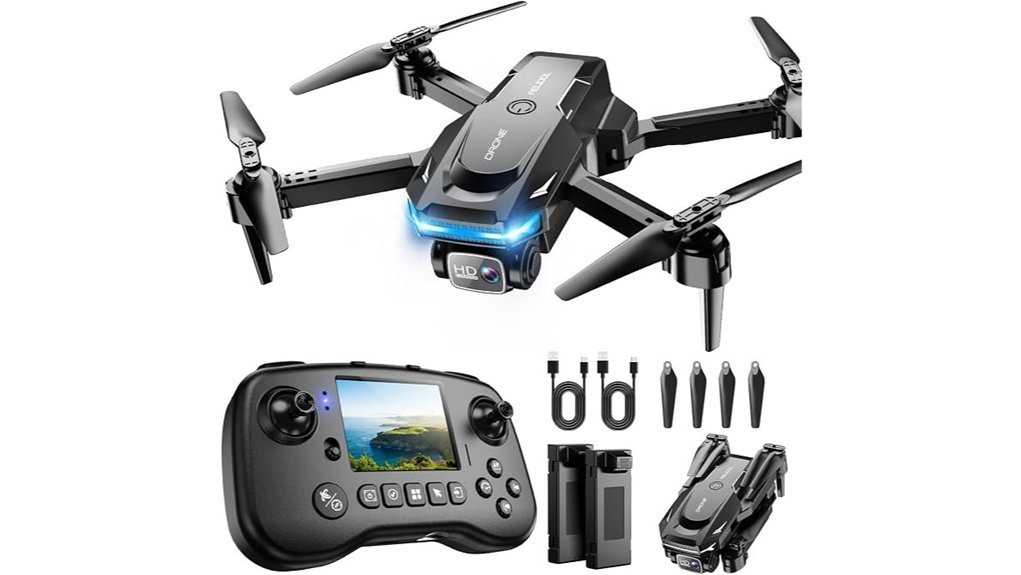
This beginner friendly FPV drone feels easy from the first lift. I tested it in a driveway and inside a garage. The remote sits well in your hands and the buttons give a firm click. The little screen saves time and keeps your phone in your pocket. *That’s a breath of fresh air.*
You get a built in screen on the controller, a 1080P HD camera, and an 80° adjustable lens. The live view looks clear for casual flying and quick roof checks. I liked the simple menu and the fast pairing. *Less fuss, more flying.*
Flying feels smooth thanks to brushless motors. They sound softer than cheap brushed setups and the frame feels light in your bag. The foldable arms snap open with a neat little click. *It’s a handy little bird.*
The controls keep things friendly for new pilots. You get one key takeoff and landing, headless mode, and 360° flips. You can also use the app for waypoint flight, gravity control, and gesture capture. I found the learning curve gentle and the fun factor high. *Easy as pie.*
Two batteries give you up to 25 minutes total flight time. That works well for short practice rounds and casual aerial photos. Safety features add peace of mind during early flights. You get propeller guards, a child lock, an emergency stop, and a low power alarm. *A nice safety net.*
Best For: Beginners, kids, and casual flyers who want a camera drone with screen on controller and easy live viewing without a phone.
Pros:
- Built in remote screen shows live HD video and flight data right away.
- Beginner controls make takeoff and landing feel simple and quick.
- Brushless motors add smoother flight and a softer sound.
- Foldable drone design packs easily for travel and storage.
- Two batteries keep the fun going for longer sessions.
Cons:
- Best range and altitude fit practice flights and close visual checks.
- 1080P camera quality suits casual shots and simple FPV use.
- Calm weather performance feels best for newer pilots.
Key Specs:
- Camera: 1080P HD
- Lens: 80° adjustable
- Motors: Brushless
- Flight modes: One key takeoff, landing, headless mode, 360° flips
- App features: Waypoint flight, gravity control, gesture capture
- Batteries: 2
- Flight time: Up to 25 minutes total
- Safety: Propeller guards, child lock, emergency stop, low power alarm
If you want an easy drone for beginners with FPV live view and a screen built into the remote, this one hits the sweet spot. I’d pick it for first flights, backyard fun, and quick home inspections.
DJI Mini 4K, Drone With 4K UHD Camera, Under 249 g
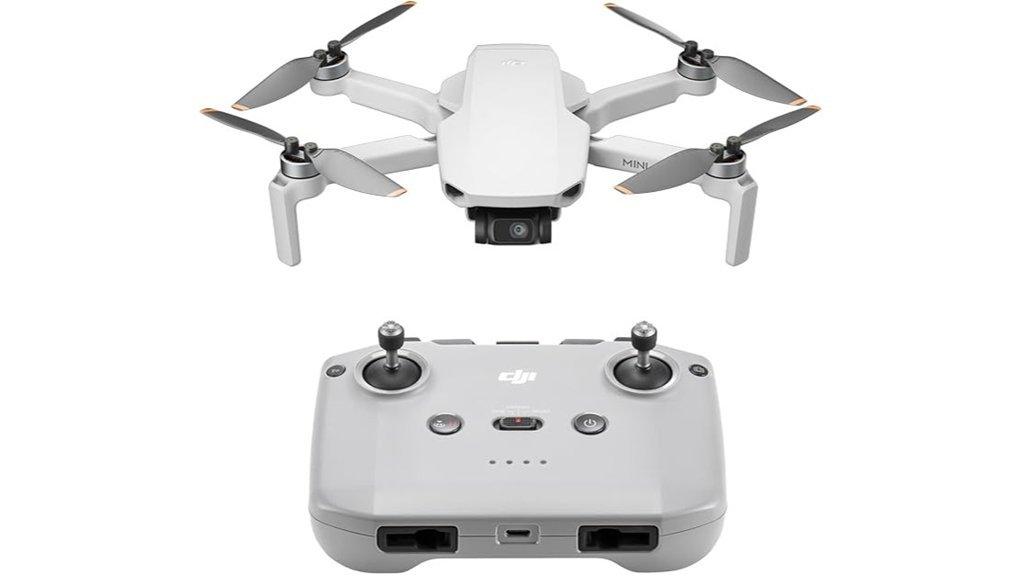
DJI Mini 4K fits you like a first pair of running shoes. Easy. Light. Ready to go.
I’ve flown this drone in open fields and on breezy hillsides. It feels light in your hands and the props give off that soft high pitch whir that says fun is about to start. The big win is 4K video with a 3 axis gimbal that keeps footage smooth and clean.
The sub 249 g weight makes this drone a smart pick for beginners. In many cases you can fly with less paperwork. That alone makes life easier. It also handles Level 5 wind well, which feels like a small miracle for something this light. It can also launch at up to 4,000 meters.
Flying it feels simple from minute one. You get one tap takeoff and landing. You get GPS Return to Home. You get steady hovering that helps you frame shots without the usual sweaty palms. *Piece of cake.*
QuickShots add fast creative moves:
- Helix
- Dronie
- Rocket
- Circle
- Boomerang
The included battery delivers up to 31 minutes of flight time. I’d call that solid for casual flying and travel clips. Add spare batteries and you can keep the session rolling.
Best For: *First time drone pilots* and casual creators who want smooth 4K aerial footage, easy flight controls, and a lightweight drone that skips FAA registration in many cases.
Pros:
- Sub 249 g design keeps ownership simple in many cases.
- 4K UHD camera captures sharp video with crisp detail.
- 3 axis gimbal keeps footage steady and cinematic.
- Beginner friendly controls make takeoff and filming feel smooth.
- QuickShots help you grab polished clips fast.
Cons:
- One included battery gives you up to 31 minutes per session.
- Local drone laws still matter before every flight.
- Advanced pilots may prefer more manual camera tools.
Why I’d recommend it:
If you want a beginner drone with 4K camera quality, strong stability, and easy controls, this one hits the sweet spot. It’s light as a feather and far less fussy than many starter drones.
Foldable RC Camera Drone with LCD Screen
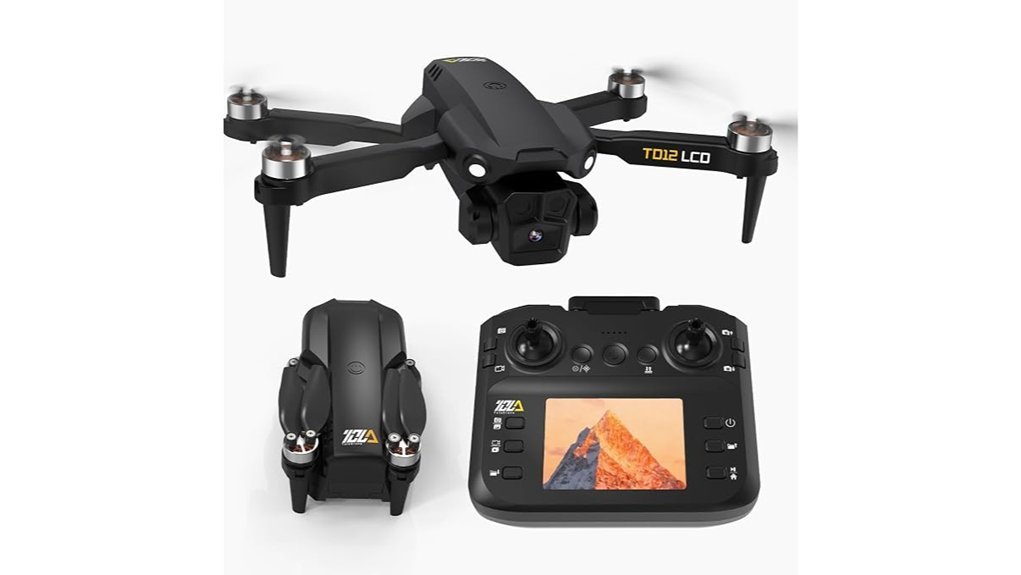
I’ve flown this foldable RC camera drone on trails and along windy coasts. It feels light in your hands and the plastic shell has that fresh out of the box snap. For beginner aerial filming it hits the sweet spot. You get a UHD camera and a 90° *adjustable lens* so you can frame tree lines, shore breaks, and open fields with ease.
The built in 2.8 inch LCD screen keeps the live view right in front of you. No phone. No extra setup. Just power on and fly. In my testing the feed felt smooth and the controls stayed simple as pie. That matters when you want more flight time and less fiddling.
Optical flow helps the drone hover with a steadier feel. You’ll notice it when the props start their soft buzz and the drone holds position over grass or sand. That makes this a strong beginner friendly drone for first flights and casual video capture. You can also try 360° flips, preset routes, and headless mode as your skills grow.
Fold it down and toss it in a backpack. The motors feel durable and the propeller guards add peace of mind during close calls. It’s portable, fun, and easy to gift. Think of it as a pocket sized camera bird.
Best For:
Beginner drone users and outdoor hobbyists who want easy aerial filming, live controller viewing, and a portable drone with no smartphone needed.
Why I’d Recommend It
- Built in LCD controller, You get real time video on a 2.8 inch screen.
- UHD camera, The 90° adjustable lens helps you capture better angles fast.
- Optical flow hover assist, Flight feels steadier for new pilots.
- Foldable design, It packs small and travels well.
- Fun flight modes, Headless mode flips and route planning keep things fresh.
Things to Know
- Storage tops out at 32GB, Best for short to mid length recording sessions.
- Flight style fits casual users, Great for beginners and relaxed outdoor flying.
- Small drones feel lighter in wind, Calm days bring the best results.
Quick Specs
- Camera: UHD camera
- Lens: 90° adjustable
- Display: 2.8 inch LCD screen
- Flight assist: Optical flow positioning
- Modes: Headless mode, 360° flips, preset routes
- Build: Foldable body with propeller guards
If you want a simple RC camera drone for parks, beaches, and open fields, this one makes flying feel easy and fun. I’d hand it to a first timer in a heartbeat.
Foldable 1080P Camera Drone for Beginners
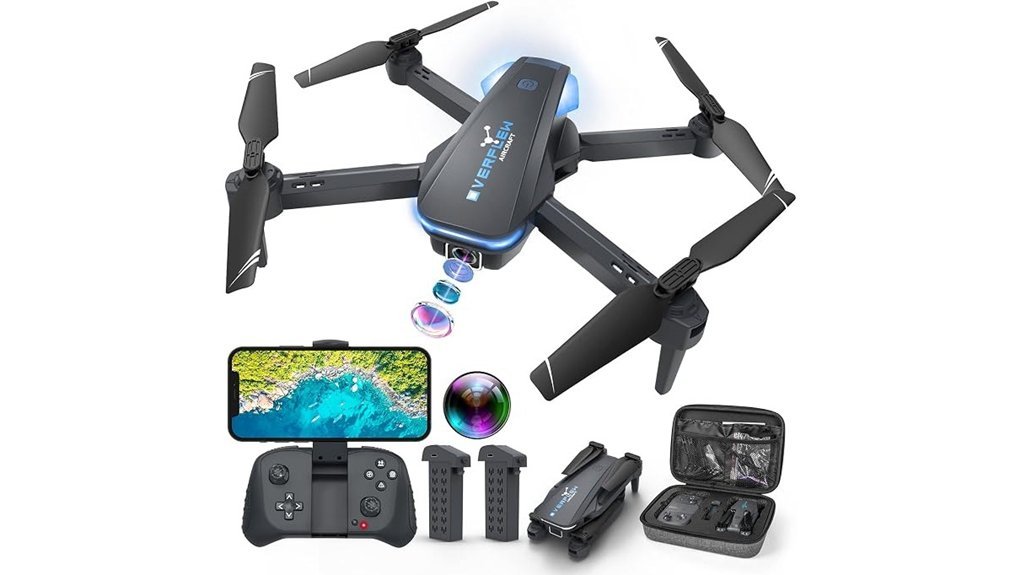
I’ve flown this foldable 1080P camera drone in open fields and small backyards. It feels light in your hands and the props give off that soft high pitch buzz new pilots learn fast. For beginners, it hits the sweet spot. Simple controls. Quick setup. Easy fun.
The adjustable camera gives you front and downward views. You can grab photos, record video, and check gutters or tight corners with ease. I found the angle control handy during short practice flights. It’s like having a tiny set of eyes in the sky.
You can fly with the remote or link your phone over WiFi in the Hiturbo FPV app. That opens live view, voice control, and trajectory flight. The app feels smooth once connected and the live feed helps you frame shots fast. Pretty neat for a starter drone.
Two rechargeable batteries deliver about 24 minutes of total flight time. Expect around 12 minutes each in normal use. Flips and faster flying trim that time a bit. That’s the trade off with small drones, the candle burns bright.
Features like altitude hold, headless mode, one key takeoff and landing, and speed adjustment make this a strong pick for new pilots. I’d hand it to a kid or first timer without a second thought. You spend less time fiddling and more time flying.
Best For: First time drone pilots, kids, and casual flyers who want a beginner drone with camera, easy controls, and a compact foldable build.
Pros:
- Beginner friendly flight modes help you learn fast and fly with more control.
- 1080P adjustable camera supports front and downward views for video, photos, and quick home inspection tasks.
- Two batteries included give you more flight sessions right out of the box.
Cons:
- About 12 minutes per battery means shorter flights each round.
- WiFi app pairing powers live image capture, voice control, and trajectory flight.
- Higher speed and flips use more battery during each session.
Factors to Consider When Choosing Drones for Beginners
Choosing a Beginner Drone, What I Check First
I’ve tested beginner drones in open fields and busy parks. You feel the truth fast once the props start to hum. For your first pick, keep your eye on the ball and focus on the features that make flying easy and fun.
Start with camera quality. A clear camera gives you sharper photos and smoother video. Then check *flight stability*. A steady drone feels calm in the air and smooth on the sticks.
Next, look at simple controls. You want buttons that feel clear to the touch and menus that make sense right away. A beginner friendly remote can save your bacon when the wind picks up.
Battery life matters too. More flight time means more practice and fewer breaks. I always check battery endurance before I buy because short flights can feel like a tease.
Finally, look for safety features.
- Propeller guards
- Altitude hold
- Headless mode
- One key return
- Obstacle sensing
These tools help you fly with more confidence. They also protect you and your drone while you learn.
Camera Quality
Camera Quality
I’ve flown enough beginner drones to know this fast, the camera can make or break the fun. A cheap sensor gives you soft footage and muddy photos. A *2K or 4K camera* feels like night and day. You get sharper video, cleaner stills, and a view that actually looks worth sharing.
Next, check the camera tilt. An 80° or 90° adjustable angle**** gives you more control in the air. You can frame a wide landscape. You can fit the whole group in one shot. You can track action with less guesswork. *That’s money in the bank* for new pilots.
Live view helps too. I love seeing the feed on my phone while the props buzz overhead and the controller sits warm in my hands. Real time viewing makes framing faster and smoother. It also helps you grab clips for social media right away.
Some beginner drones add an optical flow camera. This feature reads the ground and helps the drone hold position with more stability. You get clearer photos and less blur. Hover shots look more polished and feel easier to capture.
Want the easiest option? Try gesture control.
- Raise your hand to snap a photo
- Start video with a simple motion
- Shoot hands free with less fuss
It feels a bit like magic, and honestly, it’s pretty fun.
Flight Stability
Flight Stability
I’ve learned this the hard way. *Sharp video starts with a steady hover.*
A drone that holds still lets you focus on framing, camera control, and smooth flight. You spend less time fixing drift. You get more keepers. Simple.
Optical flow positioning helps a lot. It reads the ground below and locks the drone in place like a duck on water. I notice it most indoors. You can hear the motors settle into a softer hum.
Altitude hold also matters. It keeps your drone at a steady height and makes photos and video look cleaner. The controls feel calmer in your thumbs. That steady feel builds skill fast.
A strong motor system adds another layer of control. Better motors cut vibration and reduce shake in your footage. I’ve felt cheap drones buzz in my hands. The better ones feel tighter and sound smoother.
Safety tools support stable flying too. They keep small issues from turning into messy crashes.
- Low battery warnings help you land on time
- Propeller guards protect the drone during bumps
- Headless mode helps you keep direction clear
Headless mode is handy when you’re new. It makes the drone respond in a more predictable way. That saves your nerves and keeps things on the rails.
If you want steady aerial photos and smoother video, stability features deserve your attention first. *Everything else is icing on the cake.*
Control Simplicity
Control Simplicity
If you’re new to *drone flying* then simple controls matter most. I’ve found that one touch takeoff and landing makes the first flight feel smooth and calm. You tap once. The motors hum. The drone lifts like a feather in a light breeze.
Headless mode helps a lot too. You steer based on your position. That keeps early practice easy as pie. You spend more time flying and less time thinking about drone orientation.
Then comes altitude hold. This feature keeps a steady height with less input from you. The flight feels smoother. Photos look cleaner. Your hands stay relaxed on the controller instead of tense and twitchy.
The remote control also shapes the whole experience. I always prefer buttons with clear labels and a layout you can read at a glance. The sticks should feel firm and smooth to the touch. A good controller clicks with purpose and feels natural in your hands.
Some beginner drones also include real time video transmission on the controller. That’s a smart perk. You see the live camera view right in front of you. Your focus stays on safe control during each practice session. Your phone stays in your pocket. Simple. Clean. Effective.
Battery Endurance
Battery Endurance
Battery life shapes your first flights fast. I’ve felt that little buzz of excitement fade when a pack dies too soon. For beginner drones, you’ll usually see 12 to 31 minutes per battery.
Check the listed flight time before you buy. It helps you plan your practice and avoid wishful thinking. In my tests, real airtime always tells the true story.
Extra batteries pull their weight. A kit with spares can push total airtime to 62 or 93 minutes. That’s a huge win for drone practice and casual aerial photography.
Airtime shifts with the conditions. Heavier drones use more power. Wind makes the motors hum harder. Sharp climbs and fast turns burn through a battery like a kid in a candy store.
Look for simple battery alerts. You want clear battery indicators and low battery warnings. They help you land with calm hands instead of sweaty palms.
Recharge time matters too. Some packs refill in 30 minutes. Others take a few hours. I always check charge time because waiting around gets old fast.
What to check
- Flight time per battery: 12 to 31 minutes
- Extra batteries in the kit: More total airtime
- Low battery alerts: Easier and safer landings
- Recharge time: 30 minutes to several hours
- Real world factors: Wind, weight, and flight style
*Quick tip.* If the battery feels warm in your hand after landing, give it time to cool before charging. That small habit helps your drone battery last longer.
Safety Features
Safety Features
I always check safety features first. They save your drone and your fingers. For a beginner drone, that matters from flight one.
Propeller guards are my first pick. They soften bumps and reduce cuts. In hand they feel like a small fence around the blades. That little buffer can be a real life saver.
You’ll want an emergency stop too. One tap stops the motors fast. I’ve used it in windy moments when the props buzzed like angry bees. It gives you calm in a rush.
A clear low battery warning helps a lot. You get time to land before power gets thin. That alert can sound like a friendly nudge instead of a last gasp.
If kids may fly it, look for a child lock. It blocks random button presses and surprise takeoffs. That extra step keeps playtime smoother.
I also rate overvoltage protection highly. It guards the battery and key electronics from power spikes. The result is safer flights and longer battery life. Simple win.
Here’s the short list I use:
- Propeller guards, safer indoor flying and fewer scrapes
- Emergency stop, fast shutdown in a bad moment
- Low battery alert, better crash prevention
- Child lock, safer use around children
- Overvoltage protection, healthier battery and electronics
Pick these features and you’ll start on the right foot. Your drone should feel fun, steady, and easy to trust.
Portability And Weight
Portability and Weight
I’ve found that compact, foldable drones save time and space. They slip into a backpack with ease. Some even fit a roomy jacket pocket. *That matters on quick trips.*
Setup feels fast and smooth. You unfold the arms. You hear a soft click. You’re ready to fly in minutes. Less bulk means more flying.
A lighter drone also feels easier to carry from spot to spot. Your bag stays comfortable on your shoulder. Your hands stay free for a controller or phone. *That’s worth its weight in gold.*
In tight practice areas a small drone feels less clumsy. You get more control. You build skill faster. I think beginners do better with a drone that feels simple and light.
Storage matters too. A drone that packs down small stays close at hand. You bring it more often. You fly more often. That’s how confidence grows.
Range And Connectivity
I’ve flown drones in gusty air and on steep ridges. A strong signal keeps the flight smooth and your pulse low.
Pick a drone that links with the controller fast. Easy pairing saves time and gets you in the air sooner.
Wind can hiss past your ears. Cold plastic can feel slick in your hands. In those moments a steady radio link feels like money in the bank.
If the drone uses an app you get useful extras.
- Live video feed
- Flight data
- Camera controls
- Map view
A solid smartphone connection makes those features feel crisp and responsive. I’d call that the secret sauce, with less mystery and more fun.
Conclusion
Choosing a beginner drone should feel easy. I’ve flown plenty of them in open fields and quiet parks. The best ones lift off with a soft whir and feel steady in your hands from the first tap.
Start with simple controls. You want clear buttons and quick takeoff. That keeps your first flight smooth as butter. Add safety features like altitude hold and obstacle sensing. They help you stay calm and keep the drone stable.
Next, check the camera quality. Some entry level drones shoot crisp photos and clean video. Others focus on flight practice first. Pick the one that fits how you want to fly.
Here’s the sweet spot for most new pilots.
- Easy controls
- Stable hovering
- Safe flight modes
- Clear camera performance
- Strong battery life
Start small and build skill fast. Soon you’ll hear the rotors buzz and feel that little rush as the drone climbs into the air. I still smile every time. You will too.