
If you want a compact digital camera for travel that truly earns its spot, I’d pick the Panasonic Lumix DMC-ZS25K first. I’ve used it on busy streets and dusty trails, and that 20x optical zoom feels like a Swiss Army knife in your hand. You get sharp reach, steady shots, and 1080p video that looks clean on the go.
If you want a camera that slips into your pocket like a pebble, the Kodak PIXPRO FZ55 or FZ45 makes travel easy. They feel light, smooth, and simple. Great for quick snaps at brunch, beach walks, and city stops.
Want better photo quality? I’d steer you to the Canon PowerShot ELPH 360 HS. It captures richer detail and cleaner color, especially when golden hour light turns soft and warm. It’s a little gem.
If vlogging sits high on your list, the Duluvulu fits casual creator use well. It keeps things fun and fuss free, and it works for quick clips when you want your travel memories to sound and look alive.
Quick picks
- Best overall for travel: Panasonic Lumix DMC-ZS25K
- Best pocket camera: Kodak PIXPRO FZ55
- Best budget simple option: Kodak PIXPRO FZ45
- Best image quality: Canon PowerShot ELPH 360 HS
- Best for casual vlogging: Duluvulu
Keep reading, and I’ll help you find the one that fits your trip and your shooting style best.
Kodak PIXPRO FZ55-BK Digital Camera (Black)
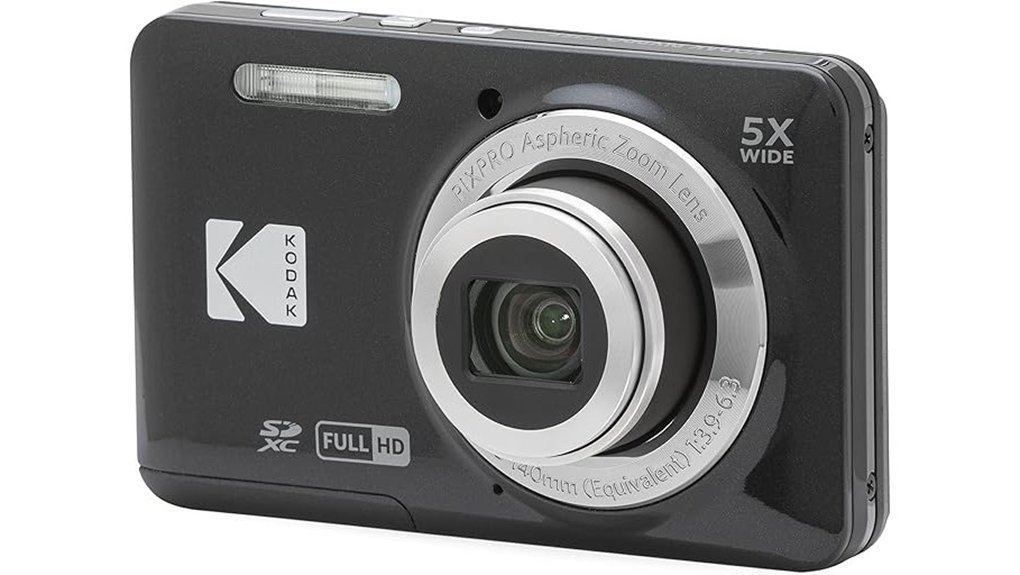
If you want a light travel camera that slips into your day with ease, I think the Kodak PIXPRO FZ55 BK gets the job done. It feels smooth in the hand and light in a jacket pocket. At 3.7 ounces it travels like a feather. The 5x optical zoom gives you reach for street scenes and landmarks. 1080p Full HD video also lets you grab quick clips when the moment moves fast.
I’ve used cameras like this on long walks and busy tourist stops. The simple buttons keep things stress free. The shutter has that soft little click that feels familiar. You get a 16 MP CMOS sensor and a 28mm wide angle lens for everyday shots. The digital image stabilization helps keep photos cleaner during casual use. Think of it as a handy sidekick for weekend trips.
Its 2.7 inch LCD keeps framing simple and quick. You can jump into Auto, Portrait, Landscape, or Macro mode in seconds. JPEG files save straight to SD cards up to 512GB. The rechargeable battery suits day trips and easy sightseeing. For beginners, this camera is a fish in water.
Best For
Casual travelers. First time camera buyers. Everyday users who want a compact digital camera with zoom and Full HD video that feels easy from the first shot.
Pros:
- Compact build, 3.7 ounces keeps your bag light and your pocket happy.
- 5x optical zoom and 28mm wide lens give you solid range for travel photos and daily snaps.
- Simple controls and 1080p video make it easy to pick up and start shooting.
Cons:
- 2.7 inch LCD feels small during photo review in bright sun.
- Digital stabilization works best for casual shots and quick clips.
- JPEG capture suits simple sharing and fast storage.
Key Specs:
- Sensor: 16 MP CMOS
- Lens: 28mm wide angle
- Zoom: 5x optical zoom
- Video: 1080p Full HD
- Screen: 2.7 inch LCD
- Storage: SD cards up to 512GB
- Battery: Rechargeable battery
If you want an easy travel camera with light weight and beginner friendly controls, this Kodak makes a clear case for itself. It won’t hog space. It won’t slow you down. It’s the kind of camera you toss in your bag and go.
KODAK PIXPRO FZ45 16MP Compact Digital Camera, 4X Optical Zoom, AA, Black
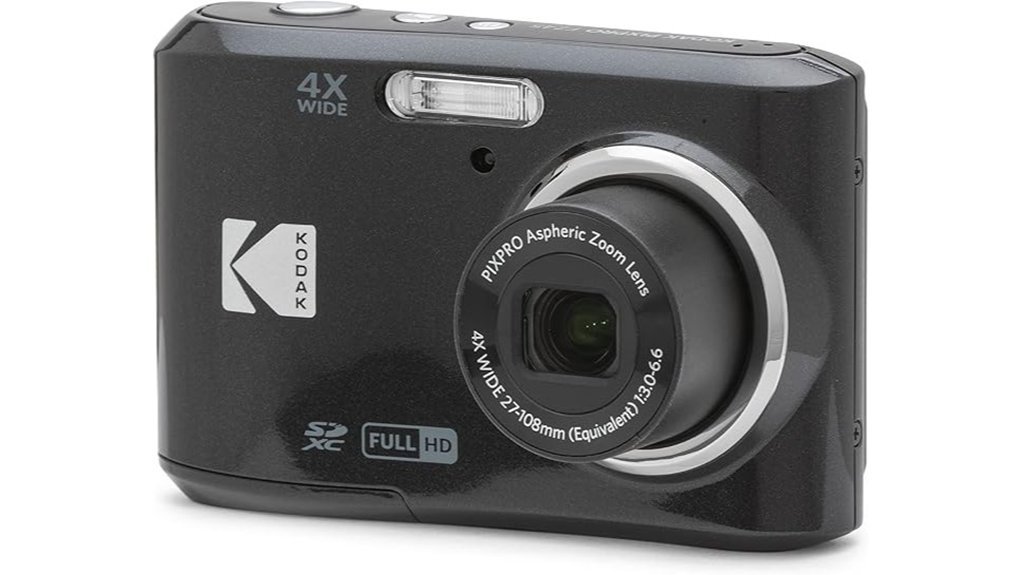
Travel light and keep it simple. I’ve used the KODAK PIXPRO FZ45 on day trips and city walks and it feels like an easy grab and go camera. The body is light in the hand and the buttons have a clean click. Think of it as a pocket sidekick for casual travel photos.
You get a 16MP CMOS sensor for clear everyday shots. The 4x optical zoom helps you pull in signs and details. The 27mm wide angle lens makes group photos and landmarks easier to fit in frame. That wide view feels handy in tight streets and busy plazas.
For video, the Full HD 1080p mode works well for quick clips and simple vlogs. I found it useful for market scenes, train rides, and family moments. The sound and feel stay casual and easy, like a postcard that moves.
The 2.7 inch LCD screen is simple to check in bright daylight. Storage support includes SD, SDHC, and SDXC cards up to 512GB. You’ll need a Class 10 memory card for smooth recording and everyday use.
One feature I really like is the AA battery power. You can swap in fresh batteries from a gas station or corner shop. That’s a real ace in the hole when you’re far from a charger.
Best For:
Travelers, casual photographers, and families who want a budget compact camera with easy controls, AA batteries, and solid 1080p video.
Pros:
- 16MP CMOS sensor delivers crisp daily photos.
- 4x optical zoom and 27mm wide angle add useful framing options.
- Full HD 1080p video suits travel clips and casual vlogging.
- AA battery support makes power swaps fast and familiar.
Cons:
- 4x zoom suits everyday scenes more than far off subjects.
- 2.7 inch screen feels compact during playback.
- Memory card comes as a separate buy.
Quick Specs:
- Sensor: 16MP CMOS
- Zoom: 4x optical zoom
- Lens: 27mm wide angle
- Video: Full HD 1080p
- Screen: 2.7 inch LCD
- Storage: SD, SDHC, SDXC up to 512GB
- Power: 2 AA alkaline batteries
If you want a cheap travel camera that stays easy and familiar, the FZ45 fits the bill. It won’t try to be fancy. It simply helps you snap the moment and move on.
Canon PowerShot ELPH 360 HS A 20.2MP Digital Camera (Silver) Bundle
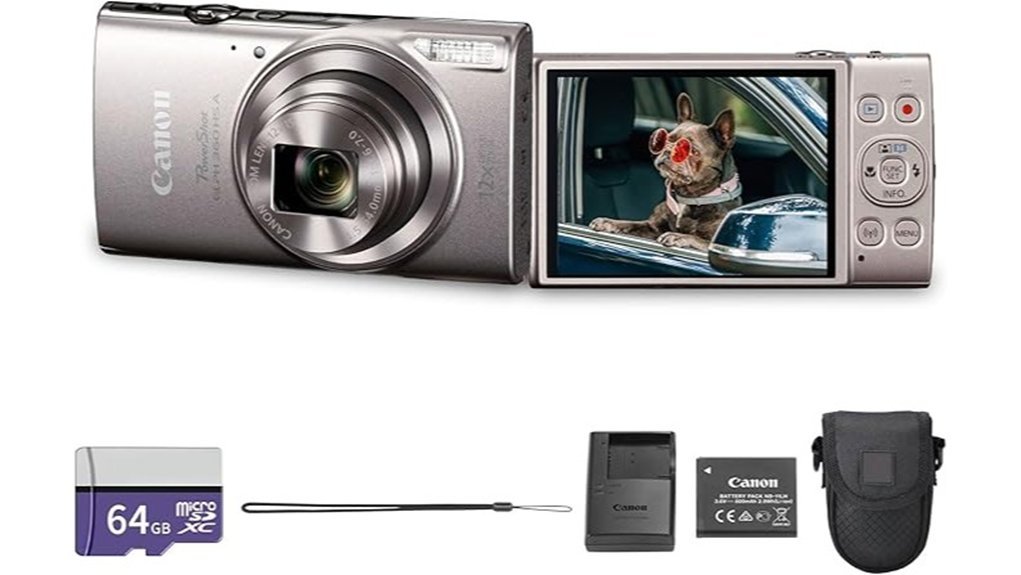
I’ve used the Canon PowerShot ELPH 360 HS bundle on city walks and quick weekend trips. It feels light in your hand and slips into a jacket pocket with ease. For travel, it hits the sweet spot.
This camera fits budget travelers and casual shooters who want real optical zoom in a small body. You get a 20.2MP CMOS sensor and Canon’s DIGIC 4+ processor. The 12x optical zoom reaches a 25 to 300mm equivalent range. That gives you wide street scenes and tighter detail from across the square.
Intelligent IS helps your shots stay steadier. Full HD 1080p video at 30 fps works well for quick clips and family moments. Press record and go. Easy as pie.
The controls feel simple and clear. The 3.0 inch LCD responds like a basic point and shoot screen should. 7.2 fps burst shooting helps when kids move fast or a bird hops into frame. Creative Shot and Hybrid Auto add some fun. Story Highlights can turn a day out into a quick recap.
This Canon USA Authorized bundle also includes a 64GB memory card. I like that because you can start shooting right away. No extra shopping. No fuss.
Best For: *Budget travelers* and casual users who want a compact digital camera with 12x optical zoom, easy handling, and included storage.
Pros:
- Pocket size build feels smooth and light, like a bar of soap with a lens.
- 20.2MP sensor and DIGIC 4+ deliver solid everyday image quality and clean travel snapshots.
- 12x optical zoom covers a useful 25 to 300mm range for landscapes and closer details.
- Full HD 1080p video and Intelligent IS help you capture steady clips with less shake.
- 64GB memory card included, so you can shoot from day one.
Cons:
- ISO 3200 top sensitivity suits daylight and bright indoor scenes best.
- 461k dot LCD gives you a basic live view for framing and playback.
- 1080p at 30 fps keeps video simple and travel friendly.
Quick specs:
- Sensor: 20.2MP CMOS
- Processor: DIGIC 4+
- Zoom: 12x optical zoom
- Focal range: 25 to 300mm equivalent
- Video: Full HD 1080p at 30 fps
- Display: 3.0 inch LCD, 461k dots
- Burst rate: 7.2 fps
- Bundle extra: 64GB memory card
If you want a travel camera that stays small and still gives you reach, this one makes a lot of sense. I’d pick it for vacations, day trips, and simple family photos. It won’t try to be a fancy tool. It just gets the job done.
Panasonic Lumix DMC-ZS25K Compact Digital Camera
Panasonic Lumix DMC,ZS25K Review
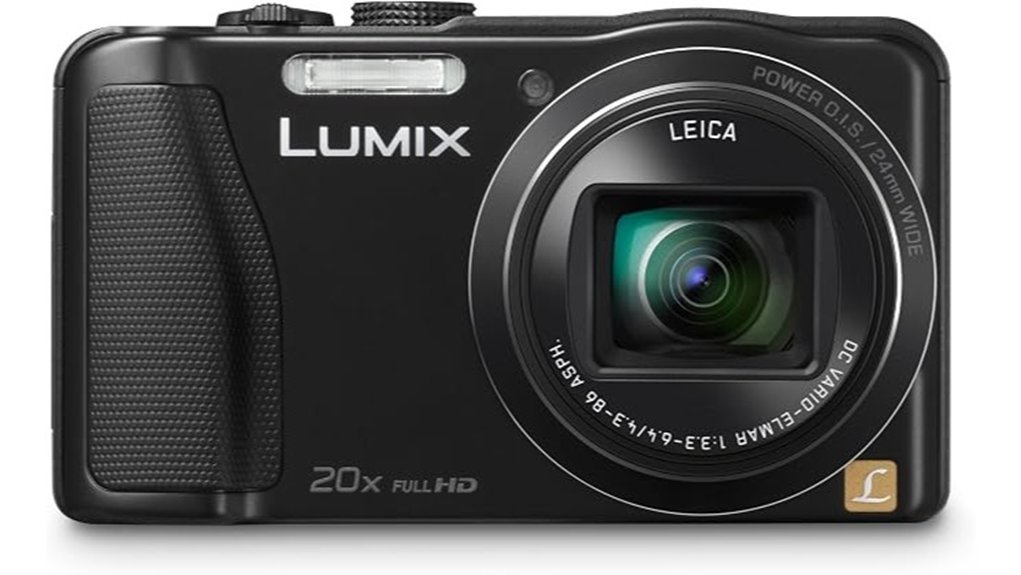
I’ve used the Panasonic Lumix DMC,ZS25K on day trips and city walks. It feels light in the hand. The buttons click with a crisp snap. The zoom motor gives a soft whir that sounds ready for action. For travel, it hits the sweet spot.
This compact digital camera fits budget travel photography very well. You get a 16.1MP CMOS sensor and Panasonic’s Venus Engine. You also get a Leica DC Vario Elmar lens with 20x optical zoom. That kind of reach feels like having a little telescope in your pocket.
Why it stands out
You can pull in distant buildings, wildlife, and street details fast. Power O.I.S. helps keep shots steady. Light Speed Auto Focus feels quick in real use. Tap the shutter and it moves like a cat on carpet.
Video is also strong for the price. You can shoot 1080p Full HD video in AVCHD or MP4. I like that flexibility for travel clips and family moments. The camera stays simple too. Intelligent Auto handles scenes well when you want to point and shoot.
The 2.7 inch LCD keeps things basic. It works fine in everyday use. You also get 14 Creative Control effects for extra style. That adds some fun when your photos need a little spice.
Best For
Budget conscious travelers and casual shooters who want a pocket camera with long zoom, easy controls, and solid Full HD video.
Key specs
- 16.1MP CMOS sensor
- Venus Engine
- Leica DC Vario Elmar lens
- 20x optical zoom
- 40x Intelligent Zoom
- Power O.I.S. with Active Mode
- Light Speed Auto Focus
- 10 fps burst shooting
- 1080p Full HD video
- AVCHD and MP4 recording
- 2.7 inch LCD
- 14 Creative Control modes
Pros
- 20x optical zoom gives you strong reach for travel, wildlife, and daily shots.
- Power O.I.S. helps handheld photos look cleaner and video look smoother.
- 10 fps burst mode and Intelligent Auto make fast shooting easy.
- 1080p video looks sharp for a camera in this class.
Cons
- The 2.7 inch screen feels small during framing and playback.
- 40x Intelligent Zoom works best for casual use where extra reach matters most.
- The simple control layout suits beginners more than hands on enthusiasts.
Bottom line
If you want an affordable Panasonic travel zoom camera that slips into a pocket, this one makes a strong case. It’s easy to carry. It’s easy to use. And that long zoom can really save the day.
Duluvulu 4K 48MP Vlogging Camera with Flip Screen
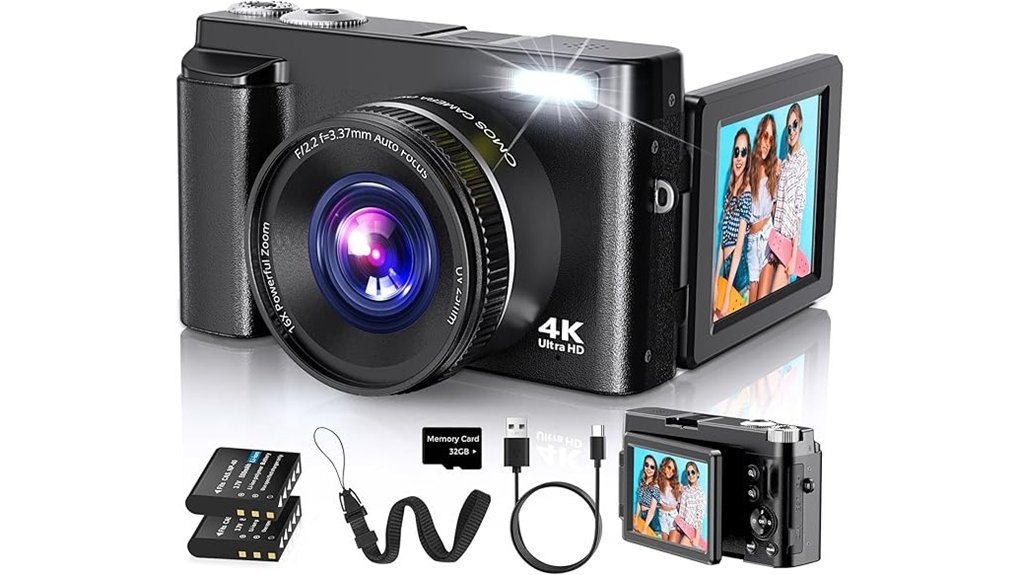
For easy travel shooting, I found the Duluvulu 4K 48MP Vlogging Camera very approachable. The 180° flip screen makes framing feel smooth and quick. The body feels light in your hand. The buttons have a soft click. It slips into a day bag like a fish to water.
You get 4K video, 48MP photos, autofocus, and 16X digital zoom in a compact camera that keeps things simple. I liked using it for selfies and casual street clips. The screen helps a lot when you vlog alone. For beginners, that ease matters.
This camera adds fun tools for day to day shooting. You get anti shake, fill light, beauty face, smile detection, time lapse, slow motion, and continuous shooting. Exposure compensation and filters give you room to play. The fill light helps in dim hotel rooms. The shutter sound feels snappy and satisfying.
You can also use it as a webcam for calls or live streams. USB transfer keeps file moving simple. Two rechargeable batteries help you shoot longer on trips. The included warranty adds peace of mind. It’s a handy little travel buddy.
Best For: Beginners, teens, and casual travelers who want an easy compact camera for selfies, vlogging, light travel photography, and webcam use.
Pros:
- 4K video and 48MP photo capture look strong for casual travel content
- 180° flip screen makes selfies and solo vlogs much easier
- Autofocus helps you get sharp clips with less fuss
- Compact body feels light and travel friendly
- Extra modes like *slow motion* and *time lapse* add creative fun
- Works as a webcam
- Includes two rechargeable batteries
Cons:
- 16X zoom works best for close to midrange shots since it uses digital magnification
- Image quality suits casual creators most
- Build and output fit entry level use more than premium camera work
Key specs:
- Video: 4K
- Photo resolution: 48MP
- Screen: 180° flip screen
- Focus: Autofocus
- Zoom: 16X digital zoom
- Extras: Anti shake, fill light, beauty face, smile detection, time lapse, slow motion, continuous shooting
- Connectivity: USB transfer, webcam mode
- Power: Two rechargeable batteries
- Warranty: 18 months
If you want a simple travel camera for beginners or a vlogging camera with flip screen, this one hits the sweet spot. It keeps the learning curve light. You can start shooting fast and have fun doing it.
Factors to Consider When Choosing a Compact Digital Camera for Travel
When I test a compact digital camera for travel, I start with the basics. *Size matters*. You feel every ounce in your bag by noon. A slim body slips into a jacket pocket and feels smooth in your hand. That kind of camera travels like a faithful sidekick.
Next, check the zoom range. You want reach for street scenes and landmarks. You also want flexibility for food shots and portraits. I’ve found that a practical zoom lens gives you more keepers with less fuss.
Then look at battery life. Long travel days drain power fast. You’ll hear the click of the shutter all day and maybe record video at sunset. A camera with strong battery performance keeps up with you. Extra battery support is gold.
Video counts too. 4K video adds crisp detail and cleaner motion. That matters if you shoot markets, trains, or ocean waves. I like cameras that capture clear sound and steady footage. It saves you headaches later.
Finally, pay close attention to image stabilization. Your hands move. So do your subjects. Good stabilization helps your photos look sharp and your clips feel smooth. It’s the difference between a clean shot and a blurry mess, like night and day.
Focus on these features first:
- Compact size and low weight
- Useful zoom lens
- Strong battery life
- 4K video recording
- Effective image stabilization
Pick the camera that fits how *you* travel. That’s the sweet spot.
Size And Weight
Size and Weight
I’ve carried compact cameras through airports, markets, and long walking days. Size and weight matter fast. A camera that feels light in your hand feels even better ten hours later.
Aim for a body *around 4 ounces or less*. That sweet spot keeps your load feather light. Your shoulder will thank you by sunset.
Pocket fit matters too. You want a camera that slides into a jacket pocket or small sling bag with ease. That keeps it close, like a trusty sidekick.
Fast access changes everything. You spot a street musician. You hear the click of footsteps on old pavement. You pull out the camera in seconds and get the shot.
A small body helps with candid photos as well. It feels less obvious in busy places. People stay relaxed and scenes look more natural.
I also like a simple fixed LCD screen for travel. It feels quick and fuss free. You can check focus, tweak settings, and move on before the moment slips away.
Look for these travel friendly specs:
- Weight: Around *4 ounces or less*
- Size: Pocketable dimensions
- Body style: Slim and easy to grip
- Screen: Fixed LCD for quick shot review
In short, pick the camera you’ll actually carry all day. That’s the one that earns its keep.
Zoom Range
Zoom Range
Zoom range shapes what you can catch without taking a single step. I’ve felt this in the field. One minute I framed a full skyline. The next I pulled in a far church tower with a soft click from the lens.
Most compact cameras give you 4x to 20x optical zoom****. That range works well for:
- City skylines
- Distant landmarks
- Wildlife on the trail
- Travel photos in tight spaces
Go for optical zoom first. It keeps photos crisp and holds fine detail. Digital zoom crops the frame and stretches the file. You’ll see the difference fast on feathers, brick, and street signs.
I like a 27mm to 28mm wide angle lens with solid optical zoom. It’s a Swiss Army knife for travel. You can shoot broad landscapes, busy markets, and close framed details with one camera.
If you shoot in crowded streets or from behind a barrier, 12x to 20x zoom gives you real reach. You stay in place and still fill the frame. That extra pull feels handy when the air smells like rain and the crowd presses at your shoulders.
More zoom often adds size. The lens extends farther. The camera feels heavier in your hand. So pick the sweet spot that fits how you shoot.
Battery Options
Battery life matters as much as zoom on a long travel day. I’ve felt that sinking moment when the screen goes black miles from the hotel. You want a compact camera with a rechargeable lithium ion battery. It usually lasts longer and feels like the safer bet in the field.
Check for dual power support too. That feature is worth its weight in gold. You can swap from a battery pack to AA batteries and keep shooting while the shutter clicks and the day rolls on.
Look at battery life ratings by shot count.
- More shots per charge means more freedom
- AA support helps on remote trips
- Spare batteries save time
- High capacity packs help on long tours
- Auto shut off stretches power
- Power saving modes cut waste
I always check for a spare battery in the box. If it’s there you’re ahead from day one. If the camera supports a larger pack that’s even better. Good power management helps too. *Auto shut off* and *eco modes* squeeze more life from each charge. That means less battery stress and more time with the camera warm in your hand.
Video Recording Quality
I’ve shot travel clips in dusty streets and on windy boats. Video quality sets the tone fast.
Start with Full HD 1080p. It gives you crisp video and clean detail. Your city walks and beach scenes look sharp on a phone or laptop.
Want a richer look. Go for 4K video. It adds extra detail and a more polished finish. I love 4K when I trim the frame later. It gives you room to crop without turning the image soft. *That’s money in the bank.*
Frame rate matters too. 30 fps fits everyday travel footage. Think museums and street cafés. 60 fps makes motion look smoother. You’ll see the difference in markets wildlife and fast tours. The sound of passing scooters and the rush of a busy square feel more alive.
Optical zoom helps in the field. It brings far subjects closer while keeping detail intact. I use it for temple rooftops boats offshore and wildlife at sunrise. The zoom ring should feel smooth in your hand. A good one reacts fast and stays steady.
Video format shapes your workflow. MP4 is simple to edit store and share. AVCHD can suit some cameras and older editing setups. Pick the format that fits your devices and apps. *You’ll save time and keep the wheels turning.*
What to look for
- 1080p, solid quality for daily travel videos
- 4K, sharper footage and easier cropping
- 30 fps, natural motion for general sightseeing
- 60 fps, smoother action for movement heavy scenes
- Optical zoom, close ups with full detail
- MP4 or AVCHD, file formats that affect editing and sharing
If you want quick advice, I’d say this. Choose 4K and 60 fps if you shoot action or wildlife. Pick 1080p and 30 fps**** if you want smaller files and easy sharing.
Image Stabilization
Image Stabilization
I’ve shot with compact cameras on trains, in night markets, and on windy cliffs. Image stabilization keeps your travel photos crisp and your video steady when your grip gets jumpy or the light turns soft. It’s the safety net that saves a handheld shot.
You should check the type before you buy. Think of it as the difference between a quick bandage and a steady hand.
- Digital stabilization uses software to smooth motion.
- It works well for video recording and casual handheld clips.
- Optical image stabilization moves lens parts to fight shake.
- It gives you sharper results with telephoto zoom and low light shots.
- Some cameras use both for extra help.
In the field I’ve felt the difference right away. A good system makes the shutter sound more satisfying because you know the frame will land. Your camera feels like it sticks the landing.
Better stabilization also helps you use slower shutter speeds in dim rooms or at dusk. That means cleaner travel shots without a tripod stuffed in your bag. *Less blur.* More keepers.
If you shoot on the move, this feature pulls its weight. You get sharper handheld photos, smoother clips, and more freedom to catch the moment while it’s still warm.
Screen And Controls
A good screen and smart controls keep you in the flow. I feel this fast in the field. You tap less and shoot more.
A 3.0 inch LCD gives you a clear view of your frame. Sun glare hits hard on the road. A bigger display helps you check focus and composition with confidence. In dim rooms it still feels easy on the eyes.
Touch controls add speed. A quick tap beats a menu maze every time. I love this when street noise rises and the moment slips by like sand through your fingers.
Look for buttons that feel natural under your thumb. The best layouts click with a crisp sound and a solid touch. You switch from photo mode to video mode fast while you move through airports or city streets.
A flip screen is gold for vlogging and selfies. You see your angle right away. Framing feels simple and smooth. That saves time and saves guesswork.
Beginner friendly menus matter too. Clean icons and clear labels keep things light. You spend more time shooting and less time poking at settings.
Here’s what I check first:
- 3.0 inch LCD or larger
- Touchscreen for quick settings
- Easy button layout
- Fast photo and video switching
- Flip screen for vlogs and self portraits
- Simple menu system
If you want a camera for travel or daily shooting this stuff matters. Great controls feel like a well worn glove. They just fit.
Storage Compatibility
Storage Compatibility
I always check storage first. A camera can feel great in your hand and still slow you down if the card support is weak.
Look for SD, SDHC, and SDXC support. These card types give you the space you need for travel photos and video. They also make replacements easy to find in airports, kiosks, and camera shops.
Speed matters too. Class 10 cards help your camera write files faster. You press the shutter and hear that crisp click, then the shot clears sooner. That means smoother video and a snappier shooting feel.
Capacity counts on long trips. Some compact cameras support cards up to 512 GB****. I love that for 4K video, burst shooting, and big photo libraries. It keeps you from playing musical chairs with memory cards.
Check the file format as well. JPEG saves space and keeps sharing simple. Larger formats use more room, so your card fills faster.
Don’t skip connectivity. USB support makes file transfers quick and painless. After a dusty day on the road, that easy plug in process feels like money in the bank.
What to check
- Card types: SD, SDHC, SDXC
- Speed class: Class 10
- Max capacity: Up to 512 GB on some models
- File formats: JPEG and other image formats
- Connectivity: USB for transfers and backup
Bottom line: Pick a travel camera with fast card support, plenty of storage capacity, and easy file transfer. You’ll shoot more, wait less, and keep your trip running smooth.
Conclusion
Best compact travel camera? It’s the one *you actually pack*. I’ve carried these cameras through airports and up steep city streets. They slip into a jacket pocket and feel smooth in the hand.
Want easy controls? Want a long zoom? Want sharp 4K vlogging clips? One of these picks deserves a spot in your bag.
Picture Lisbon at sunset. The tram hums past. The air smells like salt and warm stone. You raise a pocket camera and grab the shot in seconds. Your phone stays free for maps and messages. That’s the ace up your sleeve.
Pick the model that fits your travel style. Match it to your budget and trip plans. Then you’ll come home with crisp photos and video you’ll love for years.